WoF Checklist NZ 2026: What Gets Checked, Why Cars Fail, What It Costs & How to Pass First Time
Published 11 November 2026 · By the Car Wreckers Palmerston North team · About a 10-minute read
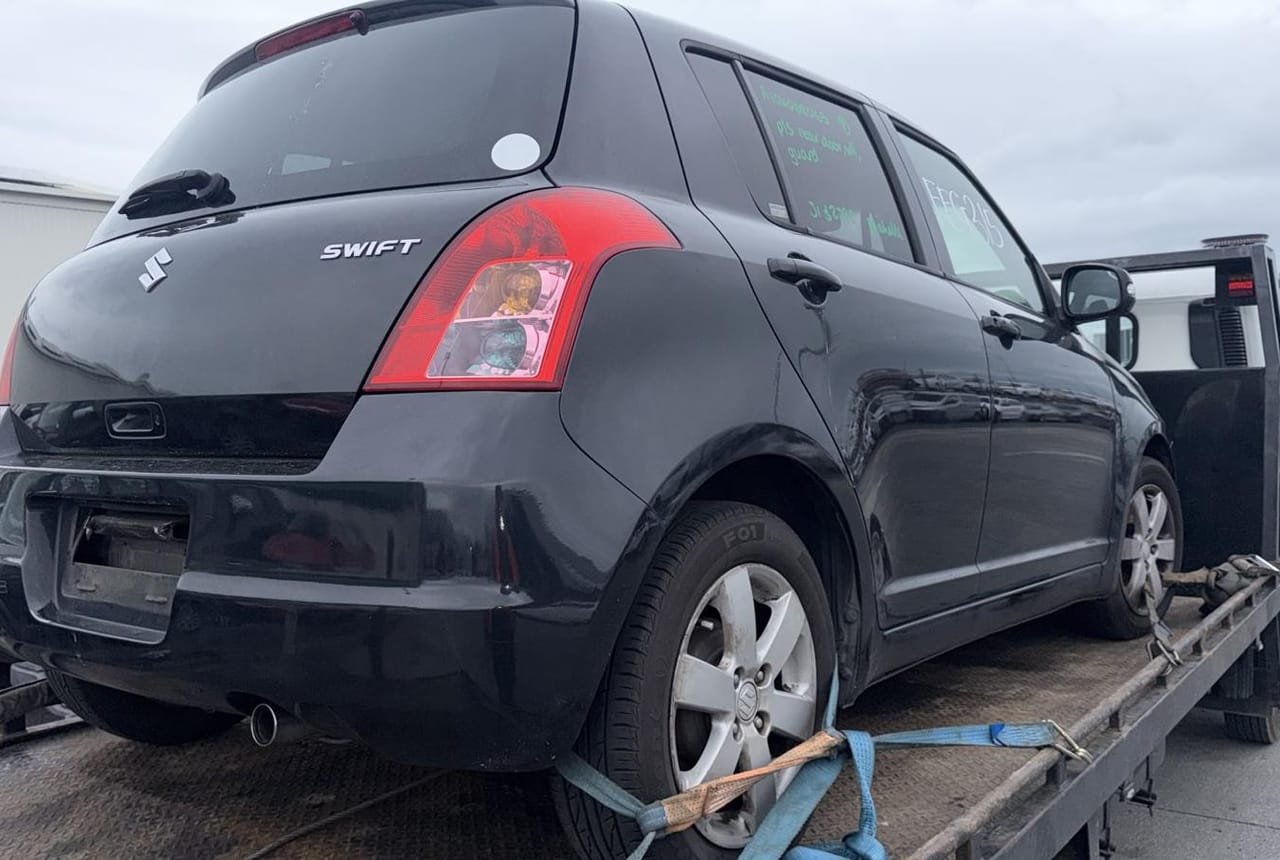
For most Kiwi drivers, the Warrant of Fitness (WoF) is the one regular safety check their car gets. It's also the moment many owners find out their car needs more work than it's worth. We collect hundreds of WoF failures from driveways across Palmerston North and the Manawatū. Many of them could have passed with a $10 bulb and a five-minute check at home. Others had rust or brake problems that would have cost more to fix than the car was worth.
This guide explains what a WoF inspector checks, the most common reasons cars fail, what a WoF and typical repairs cost, and a 10-minute check you can do at home before you book. Driving instructors, schools, student associations, budgeting services, community groups and local media are welcome to print, share or link to it.
Key takeaways
- Most cars need a WoF every year. Cars first registered before 1 January 2000 need one every six months, and brand-new cars are covered for their first three years. Changes to these intervals have been proposed, so check NZTA for the current rules.
- The commonest fails are cheap. Lights, tyres, wipers and windscreens account for a large share of failures, and most can be spotted at home.
- You usually get 28 days for a free or cheap recheck. Go back to the same inspector within 28 days. After that, you need a full new inspection.
- Driving without a current WoF risks a $200 infringement fee, and it can complicate an insurance claim if you crash.
- Know when to stop spending. If the repair quote is more than the car will be worth once it passes, it's time to look at other options.
How often does a car need a WoF in New Zealand?
| Vehicle | How often |
|---|---|
| Brand-new vehicle, first registered in NZ less than 3 years ago and never registered overseas | One WoF at first registration, valid until the third anniversary of that date |
| Vehicle first registered (anywhere in the world) on or after 1 January 2000 | Every 12 months |
| Vehicle first registered before 1 January 2000 | Every 6 months |
| Heavy vehicles (over 3,500 kg), rental cars, taxis and other commercial passenger vehicles | Certificate of Fitness (CoF) instead of a WoF, usually every 6 months |
Note that the date that matters is when the car was first registered, which for a Japanese import is usually its first registration in Japan, not the date it arrived in New Zealand. Your WoF expiry date is on the label on the inside of your windscreen, and you can check it online through NZTA. The Government has consulted on making WoF checks less frequent for newer cars. Any change only applies once it takes effect, so confirm the interval for your car with NZTA rather than relying on news headlines.
What does a WoF inspector check?
Inspectors follow the NZTA Vehicle Inspection Requirements Manual (VIRM), so the standard is the same whichever garage, testing station or AA centre you use. A standard WoF covers:
| Area | What they look for |
|---|---|
| Tyres and wheels | Tread depth of at least 1.5 mm across the main tread, no cuts, bulges or exposed cords, matching sizes and types on the same axle, secure wheel nuts |
| Brakes | Even braking force on a roller tester, a working park brake, no leaks from lines, hoses or calipers, adequate pedal travel |
| Lights | Headlights (including high beam and aim), tail lights, brake lights (including the high-level light), indicators, hazards, number-plate light and reversing lights |
| Windscreen, windows and wipers | No damage or chips in the driver's critical vision area, working wipers and washers, legal window tint |
| Steering and suspension | No excessive play in steering joints, no worn ball joints, bushes or tie-rod ends, no leaking or broken shock absorbers or springs |
| Structure and rust | No corrosion in structural areas such as sills, chassis rails, floor pans, strut towers or seatbelt mounts |
| Seatbelts and seats | Belts that latch, release and retract properly, with no fraying, and seats that are secure |
| Safety warning lights | No airbag (SRS), ABS or electronic stability control warning light showing a fault on the dash |
| Exhaust and leaks | No exhaust leaks, excessive noise or visible smoke, and no fuel or significant oil leaks |
| Doors, mirrors, horn and speedo | Doors that open and latch, required mirrors in place, a working horn, and a working speedometer |
The 10 most common reasons cars fail a WoF
NZTA reports that lights, tyres, brakes and windscreen or wiper problems are consistently among the top reasons for failure. Here's what we see most often on cars across Palmerston North, roughly from most to least common, with typical costs. Repair prices are rough Manawatū ranges for a common petrol car in 2026. Parts and labour vary, so always get a quote.
| Fail reason | Can you spot it at home? | Typical fix cost |
|---|---|---|
| 1. Blown bulb (brake, indicator, number plate, headlight) | Yes, with a helper or a reflective wall | $5–$40 DIY, $30–$80 fitted |
| 2. Worn or damaged tyres | Yes, use the tread-wear bars or a coin | $90–$250 per tyre fitted |
| 3. Worn wiper blades or empty washer bottle | Yes | $15–$50 |
| 4. Windscreen chip or crack in the critical vision area | Yes | $60–$150 chip repair, $350–$1,000+ replacement |
| 5. Worn brake pads, discs or uneven braking | Partly: grinding, pulling or a spongy pedal | $200–$600 per axle |
| 6. Worn suspension or steering joints | Partly: clunks over bumps, vague steering | $150–$800 |
| 7. Airbag, ABS or stability warning light on | Yes, watch the dash at start-up | $100 for a scan, $200–$1,500+ to repair |
| 8. Structural rust | Partly: bubbling paint on sills and wheel arches | $400–$3,000+, often uneconomic on older cars |
| 9. Seatbelt that won't retract or latch | Yes | $150–$500 per belt |
| 10. Oil, fuel or exhaust leaks | Partly: drips under the car, fumes, noise | $100–$1,200 |
How much does a WoF cost in New Zealand?
WoF inspection prices aren't set by the Government, so they vary between providers. In 2026 most Palmerston North and Manawatū garages and testing stations charge somewhere around $60 to $90 for a standard car, with some promotions lower and some dealerships higher. Phone around, but remember the inspection fee is the small part of the bill. A garage with fair repair prices matters more than saving $10 on the check.
What happens if your car fails?
You get a written list of the reasons it failed. You can take the car anywhere for repairs. If you bring it back to the same inspection site within 28 days, the recheck is usually free or charged at a reduced rate, and only the failed items are looked at again. After 28 days, you'll need a full new inspection. You can drive a car that has failed only to get it repaired or re-inspected, and only if it's safe to drive.
The 10-minute pre-WoF check you can do at home
Do this the weekend before your inspection. Anything you find and fix yourself saves you a recheck trip.
- Lights: with a helper, check headlights (low and high), park lights, indicators front, side and rear, hazards, brake lights including the high-level one, reversing lights and the number-plate light. At night, park facing a garage door to check both headlights work and point the same way.
- Tyres: check every tyre, including inside edges, for tread below the wear bars, cuts, bulges and cracking. Set pressures to the figure on the driver's door sticker.
- Windscreen and wipers: look for chips in front of the driver, test wipers on every speed, and top up the washer fluid.
- Warning lights: turn the key to on. The airbag, ABS and engine lights should come on and then go out once the engine starts.
- Seatbelts: pull each belt out fully, check for fraying, latch it, release it and let it retract.
- Horn, mirrors and doors: sound the horn, check every door opens from inside and out, and make sure mirrors aren't cracked or loose.
- Brakes: in a safe place, brake firmly from about 30 km/h. The car should stop straight with no grinding. Check the park brake holds on a slope.
- Under the car: look at where it's been parked for fresh drips of oil, coolant or brake fluid.
- Rust: look along the sills under the doors, around the wheel arches and under the boot mat. Bubbling or holes in structural areas mean a likely fail.
- Clean it out: a tidy car, with the floor and boot clear, lets the inspector check seatbelts, seat mounts and the spare wheel well quickly.
Fix it or let it go? A simple rule of thumb
A failed WoF is often the point where owners of older cars have to make a call. The question isn't "how much is the repair?" but "what will the car be worth once it's fixed, and what's likely to fail next?"
| Situation | Usually worth fixing? |
|---|---|
| Cheap fails only (bulbs, wipers, a tyre), car otherwise reliable | Yes. Fix it and get the recheck within 28 days |
| Repair bill under about a quarter of the car's value | Usually yes |
| Repair bill around half the car's value, plus a big service or timing belt due soon | Get a second quote and think hard |
| Structural rust, or repairs costing more than the car is worth | Usually no. Sell it as-is or to a wrecker |
| Six-monthly WoF car failing on multiple items each time | Usually no. Costs tend to keep climbing |
If you decide to sell, you can legally sell a car in New Zealand without a current WoF. Our guide to selling a car without a WoF or rego explains the rules, and our fix or sell guide goes through the numbers in more detail. If you're buying a replacement, our used car buying checklist shows how to check a car's WoF history and avoid inheriting someone else's problems.
WoF myths we hear every week
- "A WoF means the car is mechanically sound." No. It's a safety check on the day of inspection. It doesn't check the engine, gearbox, cambelt or air conditioning.
- "There's a grace period after the WoF expires." No. Once the date passes, the car isn't legal to drive on the road, except to get it inspected or repaired.
- "Some garages are easier." Every inspector works to the same NZTA standard, and inspectors and sites are audited. A fail from one inspector is likely to be a fail elsewhere.
- "My insurance doesn't care about the WoF." Many policies exclude or reduce cover if the car was unroadworthy at the time of a crash. Check your policy wording.
Printable pre-WoF checklist
Print this section and tick it off the weekend before your inspection.
- ☐ WoF expiry date checked: ____________________
- ☐ Headlights (low and high), park lights and number-plate light work
- ☐ Indicators front, side and rear, and hazards, all flash
- ☐ Brake lights, including the high-level light, work
- ☐ Reversing lights work
- ☐ Tyres above the wear bars, no cuts or bulges, pressures set
- ☐ No windscreen chips in front of the driver
- ☐ Wipers clear the screen, washer bottle full
- ☐ No airbag, ABS or stability warning lights after start-up
- ☐ Every seatbelt latches, releases and retracts
- ☐ Horn works, mirrors secure, all doors open and latch
- ☐ Car brakes straight, park brake holds
- ☐ No fresh drips under the car
- ☐ No bubbling rust on sills, arches or boot floor
- ☐ Car cleaned out, boot and floor clear
- ☐ If it fails: back to the same inspector by ____________________ (within 28 days)
Frequently asked questions
How often do I need a WoF in NZ?
Most cars first registered on or after 1 January 2000 need a WoF every 12 months. Cars first registered before 2000 need one every six months. A brand-new car's first WoF lasts until the third anniversary of its first registration. Changes to these intervals have been proposed, so check NZTA for the current rules for your car.
How much does a WoF cost?
Prices aren't set by the Government, so they vary. Most Manawatū providers charge around $60 to $90 for a standard car in 2026. Repairs needed to pass are extra.
What happens if my car fails its WoF?
You get a list of the reasons it failed. If you get the faults fixed and return to the same inspection site within 28 days, the recheck is usually free or discounted and only covers the failed items. After 28 days, a full new inspection is needed.
What's the fine for driving without a WoF?
Driving without a current WoF can result in a $200 infringement fee. It can also affect your insurance if you have a crash while the car is unroadworthy.
Can I sell a car that has no WoF?
Yes. It's legal to sell a car without a current WoF in New Zealand, as long as you're honest with the buyer about its condition. Wreckers and car buyers will usually collect it, because it can't legally be driven on the road.
What tread depth do tyres need to pass a WoF?
At least 1.5 mm across the main tread pattern, all the way around the tyre. Most tyres have tread-wear indicator bars moulded in at about this depth.
Sources and further reading
- NZ Transport Agency Waka Kotahi: Warrant of Fitness
- NZTA: Vehicle Inspection Requirements Manual (VIRM)
- NZTA: The official New Zealand road code
- New Zealand Legislation: Land Transport Rule: Vehicle Standards Compliance
- NZ Automobile Association: Motoring advice
- Consumer NZ: Car servicing and repairs
This guide is general information, not legal or mechanical advice. WoF rules, fees and repair prices change, so check with NZTA and a qualified inspector for advice on your vehicle.
Cite or share this guide
Writing about car ownership, driver education, student budgeting or road safety in New Zealand? You're welcome to reference or print this guide and checklist. Please credit and link to the source:
<a href="https://carwreckerspalmerstonnorth.co.nz/blog/wof-checklist-nz/">WoF Checklist NZ 2026: What Gets Checked, Why Cars Fail & How to Pass</a> — Car Wreckers Palmerston North
Most WoF fails are cheap and quick to fix, and a 10-minute check at home catches many of them. But if your car has failed on rust, brakes or a list of problems that cost more than it's worth, Car Wreckers Palmerston North buys old and unwanted cars with or without a WoF, anywhere in Palmerston North and the Manawatū. We collect for free, handle the NZTA paperwork and pay you on the spot. Call 0800 153 019.
Failed Your WoF? Get a Cash Quote
Firm offer in about two minutes, with free same-day pickup across Palmerston North & the Manawatū.
📞 Call 0800 153 019More Guides
What to Do After a Car Accident in New Zealand: The 2026 Step-by-Step Guide to Police, ACC, Insurance, Towing & Write-Offs
Read GuideBuying a Used Car in New Zealand: The 2026 Pre-Purchase Checklist to Avoid Write-Offs, Money Owing & Odometer Fraud
Read GuideIs It Worth Fixing an Old Car, or Selling It to a Wrecker in Palmerston North?
Read GuideCar Wreckers Palmerston North Price Guide 2026 — What Your Car Is Actually Worth
Read GuideEnd-of-Life Vehicles in New Zealand: The 2026 Manawatū Guide to Car Recycling, Laws & Responsible Disposal
Read GuideWhat Is My Car Worth in Palmerston North? How Wreckers Value Your Vehicle
Read GuideSame-Day Car Removal in Palmerston North — How It Actually Works
Read GuideReady for Top Cash in Palmerston North?
Free same-day removal across Palmerston North and the Manawatū. Top cash on the spot — running or not, any condition, any make.