What to Do After a Car Accident in New Zealand: The 2026 Step-by-Step Guide to Police, ACC, Insurance, Towing & Write-Offs
Published 2 November 2026 · By the Car Wreckers Palmerston North team · About a 10-minute read
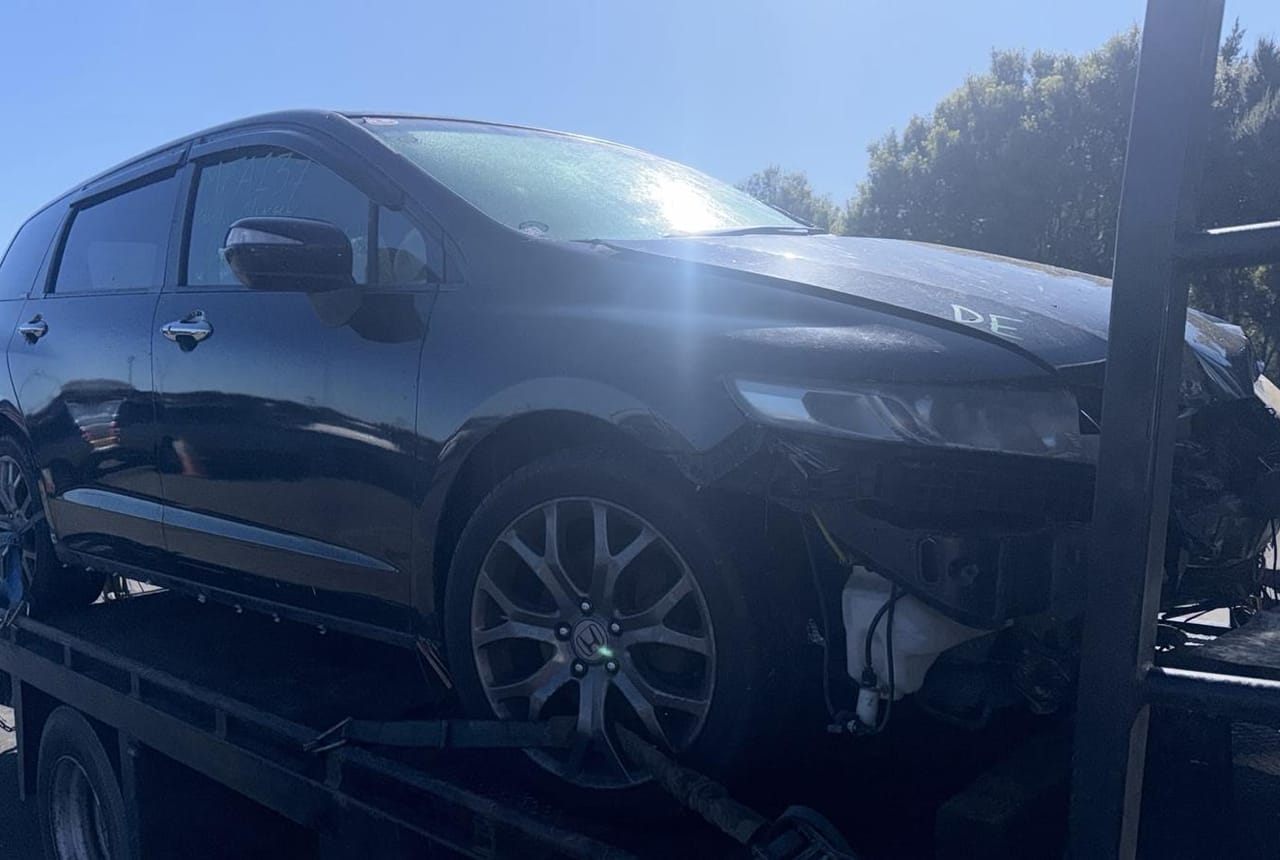
A crash happens in seconds, but the decisions you make in the next hour, and the next few days, shape how much it ends up costing you. We collect crashed cars from roadsides, panel shops and tow yards across Palmerston North and the Manawatū every week. We see the same mistakes again and again: no photos, no details from the other driver, a car left racking up storage fees, and an insurance payout that came in lower than it should have.
This guide sets out what to do, in order, from the moment of impact to the day the car is fixed, paid out or gone. It covers your legal duties under New Zealand law, when you must tell Police, how ACC works, and how to handle insurers and tow yards. Driving instructors, schools, community groups, student associations, budgeting services and local media are welcome to share, print or link to it.
Key takeaways
- You must stop. After any crash, the driver must stop, check whether anyone is hurt, and help where they can.
- Injury crashes go to Police within 24 hours. If only property is damaged and you can't find the owner, you have 60 hours to report it.
- ACC covers injuries no matter who was at fault. See a doctor even if you feel fine; whiplash and concussion often show up later.
- Don't admit liability at the scene. Be honest and courteous, but leave decisions about fault to the insurers.
- Storage fees add up quickly. Tell your insurer straight away and decide where the car is going.
The first 15 minutes at a glance
| Situation | What to do | Number |
|---|---|---|
| Anyone injured, trapped, a fire, fuel spill, or the road is blocked | Call Police, Fire or Ambulance immediately | 111 |
| No injuries, but a hazard or a driver you think is impaired or dangerous | Report it to Police | 111 if it's happening now, or *555 from a mobile for non-urgent traffic issues |
| Minor bump, no injuries, both drivers present | Make the area safe, swap details, take photos | No call required |
| You hit a parked car, fence or property and the owner isn't there | Leave your details and report to Police within 60 hours if you can't contact the owner | 105 (non-emergency) |
| The other driver drives off without giving details | Note the plate, make, colour and direction, and report to Police | 111 if urgent, otherwise 105 |
Step 1: Stop, make the scene safe and check for injuries
Under the Land Transport Act 1998, a driver involved in a crash must stop, find out whether anyone has been injured, and give whatever help is reasonably possible. Driving away from an injury crash without stopping is a serious offence.
- Turn on your hazard lights and turn off the engine.
- If the cars can be driven and nobody is hurt, move them off the live lane to the shoulder or a side street.
- Get everyone out of the vehicles and well away from traffic, ideally behind a barrier. On State Highway 3 or SH57 around the Manawatū, stand behind the cars, not between them.
- At night, in fog or on a bend, put out a warning triangle if you have one and switch on interior lights.
- Don't move anyone who may have a neck or spinal injury unless they're in immediate danger, such as from fire.
Step 2: Call 111 when it's serious
Call 111 straight away if anyone is injured, trapped or unconscious, if there's fire, smoke or leaking fuel, or if the vehicles are blocking the road and creating danger. Tell the call-taker your location as precisely as you can: the road name, the nearest intersection or landmark, and which direction you were travelling. On rural roads, a nearby RAPID number on a letterbox is very helpful.
Stay on the line and follow the instructions. If you've done first aid, tell the ambulance crew what you did when they arrive.
Step 3: Swap details with the other driver
If anyone is injured, or property belonging to someone else is damaged, you're legally required to give your details when asked. Collect the same from them:
- Full name, address and phone number
- The name and address of the vehicle's owner, if the driver isn't the owner
- Registration plate number, make, model and colour
- Their insurance company (if they'll share it)
- Names and phone numbers of any witnesses
Photograph their licence and plate if they agree. If they refuse to give details, note the plate and report it to Police.
Step 4: Record evidence while it's fresh
Insurers and the Disputes Tribunal decide fault based on evidence. Five minutes with your phone can make the difference between a smooth claim and months of argument.
- Wide shots of both vehicles in their final positions, showing the road layout, signs, give-way lines and traffic lights.
- Close-ups of all damage on every vehicle, including old damage on the other car.
- Road conditions: skid marks, debris, potholes, wet or icy surfaces, sun glare, obstructions.
- Dashcam footage: save it immediately, before it records over.
- A quick note or voice memo of what happened, the time, your speed and the weather.
Step 5: Report to Police when the law requires it
| Type of crash | Must you report it? | Deadline |
|---|---|---|
| Anyone injured or killed | Yes, the driver must report to Police | As soon as reasonably practicable, and within 24 hours |
| Property damage only, owner present | No, if you give your details to the owner | At the scene |
| Property damage only, owner can't be found | Yes, report to Police (and try to contact the owner) | As soon as practicable, and within 60 hours |
| Hit-and-run, suspected drink or drug driving, theft | Strongly recommended, and your insurer may require it | Straight away |
If Police attend, write down the officer's name and the event number. Your insurer will ask for it.
Step 6: Get checked and lodge an ACC claim
Adrenaline hides pain. Whiplash, concussion, back injuries and bruising from seatbelts can take a day or two to appear. See your GP, an urgent care clinic or a physio, even if you feel fine.
ACC (the Accident Compensation Corporation) covers injuries from road crashes in New Zealand regardless of who was at fault. This applies to drivers, passengers, cyclists and pedestrians, including visitors to New Zealand. Your treatment provider lodges the claim for you, so you don't need to fill in forms at the scene. Because ACC provides cover, you generally can't sue the other driver for compensation for personal injury in New Zealand. Damage to cars and property is a separate matter, handled through insurance.
Step 7: Notify your insurer, and choose your words carefully
Call your insurer or lodge the claim online as soon as you can, ideally the same day. Most policies require prompt notice, and some decline claims that are reported late.
- Don't admit liability or offer to pay at the scene. Most policies say you must not, and doing so can jeopardise your cover.
- Be accurate. Give the facts as you know them. Don't guess at speeds or distances.
- Check your excess and whether it's waived when the other driver is identified and at fault.
- Know your cover type. Comprehensive covers damage to your car. Third party, fire and theft, and third party only, generally only cover damage you cause to other people's property.
- Keep everything in writing: your claim number, emails, quotes and receipts.
If you're unhappy with how your claim is handled, use your insurer's internal complaints process first. If that doesn't resolve it, you can take the complaint free of charge to the insurer's dispute resolution scheme, such as the Insurance & Financial Services Ombudsman (IFSO).
Step 8: Sort out towing and storage
If your car can't be driven, Police may arrange a tow, or you can call your insurer's roadside or towing service. Before your car is taken, ask where it's going and photograph it on the truck.
This is where people lose money. Many tow and storage yards charge daily storage, and those fees keep running while the insurer assesses the car, while you wait for quotes, or while you make up your mind. If you're insured, ask the insurer to move the car to their assessment yard. If you're uninsured, get a clear decision made within days, not weeks.
Remove your personal belongings, documents, garage remote, child seats, toll tags and number-plate-linked accounts as soon as you can.
Step 9: Repair, write-off or sell
If it's repairable
The insurer usually assesses the damage and authorises repairs, often at a preferred panel shop. You can usually ask about using a repairer you trust. Make sure any structural, airbag or safety-system repairs are done properly and documented.
If it's written off
When repairs would cost more than the car is worth, the insurer declares it a total loss. They pay out the market or agreed value set out in your policy, less any excess, and usually take ownership of the wreck. Some insurers let you keep the damaged car for a reduced payout. If the car is badly damaged, it may be recorded as a statutory write-off, which means it can never be legally re-registered or driven on the road again. Our used car buying checklist explains the different kinds of write-off in more detail.
If you're uninsured
If the other driver was at fault, ask them or their insurer to pay for your damage, in writing, with photos and repair quotes. If they won't, you can file a claim with the Disputes Tribunal (claims of up to $30,000). If you caused the crash, the cost of fixing your own car is yours. Either way, if the repair bill is higher than the car is worth, selling it as an accident-damaged vehicle stops the storage fees and puts some cash back in your pocket. Our guide on whether it's worth fixing an old car walks through the numbers, and our 2026 price guide shows typical values for damaged cars.
Don't forget the paperwork
If the car is sold, written off to an insurer or wrecked, make sure the change of ownership is lodged with NZTA so you're not liable for anything that happens to it later. You may also be able to get a refund on unused registration (vehicle licence) once the car is off the road.
Common mistakes that cost Kiwi drivers money
| Mistake | What it can cost you | Do this instead |
|---|---|---|
| Saying "Sorry, my fault" at the scene | A declined or reduced claim | Check everyone's OK, swap details, and leave fault to the insurers |
| No photos of the scene | A "your word against theirs" dispute | Take wide shots and close-ups before the cars are moved, if it's safe |
| Taking only a phone number | No way to recover costs if they stop answering | Get their name, address, plate and insurer |
| Skipping the doctor | Delayed treatment and a harder ACC claim | See a GP or urgent care within a day or two |
| Leaving the car in a storage yard | Daily storage fees that can exceed the car's value | Get the insurer to move it, or make a decision quickly |
| Agreeing to a cash deal on the spot | The other driver later disputes it or never pays | Put any private arrangement in writing with photos and quotes |
| Forgetting to notify NZTA after selling the wreck | Fines or tolls in your name | Lodge the change of ownership the same day |
Printable glovebox checklist
Print this section and keep it in your glovebox with a pen.
- ☐ Hazard lights on, engine off, everyone safe and away from traffic
- ☐ Checked for injuries, and called 111 if anyone is hurt or the road is blocked
- ☐ Other driver: name, address, phone ____________________
- ☐ Vehicle owner (if different): ____________________
- ☐ Plate, make, model, colour: ____________________
- ☐ Their insurer: ____________________
- ☐ Witness names and phone numbers: ____________________
- ☐ Photos: wide shots, all damage, road, signs, conditions
- ☐ Dashcam footage saved
- ☐ Police event number (if attended): ____________________
- ☐ Injury crash reported to Police within 24 hours
- ☐ Saw a doctor; ACC claim lodged
- ☐ Insurer notified; claim number: ____________________
- ☐ Where the car was towed: ____________________
- ☐ Belongings removed from the car
- ☐ NZTA change of ownership lodged if the car is sold or written off
Frequently asked questions
Do I have to report a car accident to the Police in NZ?
If anyone is injured or killed, the driver must report the crash to Police as soon as reasonably practicable and within 24 hours. If only property is damaged, you must give your details to the owner. If you can't find the owner, you must report it to Police as soon as practicable and within 60 hours.
Does ACC cover me if the car crash was my fault?
Yes. ACC is a no-fault scheme, so injuries from a car crash in New Zealand are covered whoever caused it. Your doctor or another treatment provider can lodge the claim for you.
Should I admit fault at the scene of a crash?
Be honest and polite with the other driver and Police, but avoid accepting liability or agreeing to pay for damage. Most insurance policies say you must not admit fault or make promises without the insurer's agreement.
Who pays the towing and storage fees after a crash?
If you're insured, your insurer usually pays reasonable towing and storage for a covered claim. If you're uninsured or not covered, you pay. Storage is often charged daily, so move the car or decide what to do with it quickly.
What happens when my insurer writes off my car?
The insurer pays out the market or agreed value set out in your policy, minus any excess, and usually takes ownership of the wreck. Some insurers let you keep the damaged car for a reduced payout. A serious write-off may be recorded as a statutory write-off and can never return to the road.
I'm uninsured and the other driver caused the crash. What can I do?
Ask the at-fault driver or their insurer to pay for the damage, in writing. If they refuse, you can file a claim with the Disputes Tribunal. If the car isn't worth repairing, selling it to a wrecker can recover some value.
Sources and further reading
- New Zealand Police: Reporting crashes and traffic incidents
- NZ Transport Agency Waka Kotahi: The official New Zealand road code and vehicle ownership
- New Zealand Legislation: Land Transport Act 1998
- ACC: Getting help after an injury
- Insurance Council of New Zealand: Motor vehicle insurance
- Insurance & Financial Services Ombudsman: Insurance complaints
- Ministry of Justice: Disputes Tribunal
- Consumer Protection (MBIE): Insurance and your rights
This guide is general information, not legal or insurance advice. Laws, policies and processes can change, so check with NZ Police, NZTA, ACC and your insurer for advice on your situation.
Cite or share this guide
Writing about road safety, driver education, insurance or consumer rights in New Zealand? You're welcome to reference or print this guide and checklist. Please credit and link to the source:
<a href="https://carwreckerspalmerstonnorth.co.nz/blog/what-to-do-after-a-car-accident-nz/">What to Do After a Car Accident in New Zealand: The 2026 Step-by-Step Guide</a> — Car Wreckers Palmerston North
The most important things after a crash are simple: keep people safe, get the right details, see a doctor, and tell your insurer. And if your car has come off second best and isn't worth fixing, Car Wreckers Palmerston North buys accident-damaged and written-off cars anywhere in Palmerston North and the Manawatū. We collect free from your home, a panel shop or a tow yard, handle the NZTA paperwork and pay you on the spot. Call 0800 153 019.
Get Your Free Cash Quote
Firm offer in about two minutes — free same-day pickup across Palmerston North & the Manawatū.
📞 Call 0800 153 019More Guides
Buying a Used Car in New Zealand: The 2026 Pre-Purchase Checklist to Avoid Write-Offs, Money Owing & Odometer Fraud
Read GuideIs It Worth Fixing an Old Car, or Selling It to a Wrecker in Palmerston North?
Read GuideCar Wreckers Palmerston North Price Guide 2026 — What Your Car Is Actually Worth
Read GuideEnd-of-Life Vehicles in New Zealand: The 2026 Manawatū Guide to Car Recycling, Laws & Responsible Disposal
Read GuideWhat Is My Car Worth in Palmerston North? How Wreckers Value Your Vehicle
Read GuideSame-Day Car Removal in Palmerston North — How It Actually Works
Read GuideReady for Top Cash in Palmerston North?
Free same-day removal across Palmerston North and the Manawatū. Top cash on the spot — running or not, any condition, any make.